AI for Restaurants: Transform Your Business
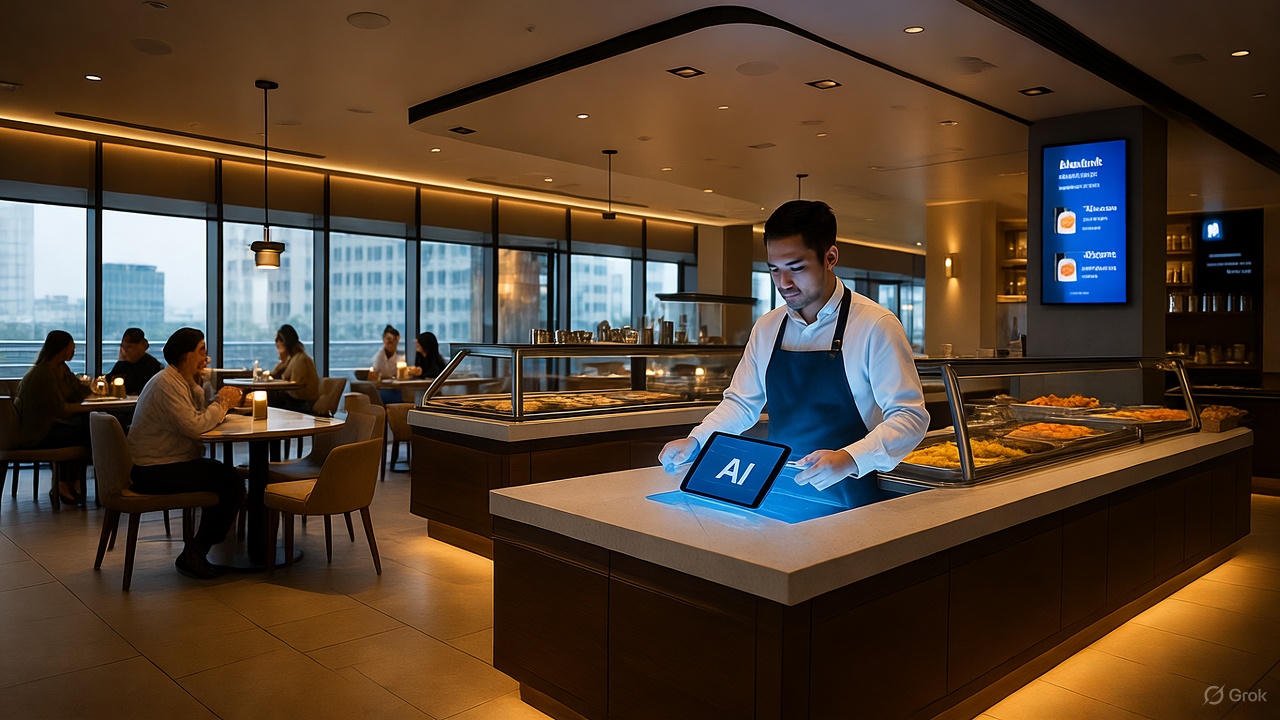
Imagine walking into your favorite local diner on a busy Friday night. The host greets you by name, suggests a dish based on your past visits, and your table is ready in seconds. No long waits, no mix-ups. Sounds like magic? It’s not, it’s AI at work. In today’s fast-paced world, restaurants are turning to artificial intelligence to stay ahead. AI for restaurants isn’t just a buzz, it’s a game-changer that’s helping owners cut costs, wow customers, and streamline everything from kitchen ops to marketing.
Over the last few years, especially since the pandemic shook up the industry, AI has become more accessible. Small cafes and big chains alike are using it to handle tasks that once took hours of human effort. Whether it’s predicting busy times or personalizing menus, AI tools are making restaurants smarter and more profitable.
In this article, we’ll dive into how AI fits into the restaurant scene, its benefits, key tech, real-world examples, and what the future holds. If you’re a restaurant owner, manager, or just curious about tech in food service, stick around. You’ll walk away with ideas to make your spot shine.
What is AI and How Does It Fit into Restaurants?
Let’s start with the basics. AI, or artificial intelligence, is basically tech that mimics human smarts. It learns from data, spots patterns, and makes decisions without constant human input. Think of it like a super-smart assistant that never sleeps.
In restaurants, AI applies to all sorts of areas. It’s not about robots flipping burgers (though that’s happening in some places). Instead, it’s software that analyzes sales data to forecast demand or chatbots that handle reservations. For example, machine learning, a type of AI, can review past orders to suggest inventory levels, preventing waste.
Why does this matter for eateries? Restaurants deal with slim margins, unpredictable crowds, and perishable goods. AI helps tackle these headaches. It’s like having a crystal ball for your business, but backed by real data. Secondary terms like AI-powered restaurant management or smart tech for food service highlight how it’s evolving the industry.
Benefits of AI for Restaurants
Adopting AI isn’t just trendy, it’s practical. Here are some top perks that make it worth the investment.
First off, efficiency skyrockets. AI automates routine tasks, freeing up staff for what matters: great service. Imagine software that auto-schedules shifts based on historical foot traffic. No more overstaffing on slow days.
Customer experience gets a big boost too. Personalized touches, like app recommendations tailored to tastes, keep folks coming back. Studies show personalized marketing can increase loyalty by up to 20%.
Cost savings are huge. By optimizing inventory, AI reduces food waste, a massive issue in restaurants where up to 10% of food gets tossed. Predictive analytics spots trends early, so you order just what’s needed.
Data-driven decisions become easier. AI crunches numbers on everything from menu performance to peak hours, helping you tweak offerings for max profit.
Lastly, it levels the playing field. Even small spots can compete with chains using affordable AI tools. It’s not reserved for big players anymore.
- Improved Staff Morale: Less grunt work means happier teams.
- Scalability: Grow without proportional cost hikes.
- Sustainability: Less waste supports eco-friendly practices.
These benefits tie into broader terms like AI in hospitality efficiency or restaurant tech innovations.
top 15 best AI tool for restaurants
| # | Tool | Main Use / Feature | Why It’s Valuable / What It Does Uniquely | Link |
|---|---|---|---|---|
| 1 | ClearCOGS | Forecasting, inventory & cost optimization | Helps restaurants predict how much to prep, reduce waste, optimize labor & cost of goods. Already delivering insights “no human ever could do” and boosting margins. | https://www.clearcogs.com/clearanswers |
| 2 | Olo | Digital ordering, guest engagement, online orders + POS integrations | Supports direct online/self-service ordering, strong menu / POS integrations, cross-selling, unified dashboard. Great for scaling digital channels. | https://www.olo.com/ |
| 3 | Presto | Voice AI / drive-thru automation & operational insights | Drive-thru voice systems (orders via voice), menu unification, computer vision to monitor FOH operations & wait times. Cuts labor & improves speed and order accuracy. | https://presto.com/ |
| 4 | Winnow Vision | Food waste management via image recognition | Uses AI to recognize what’s being thrown away; helps kitchens cut waste & cost (3-8% in purchasing). Good ROI in many kitchens. | https://www.winnowsolutions.com/ja/product/vision |
| 5 | Too Good To Go | Sell surplus / unsold food, reduce waste, attract new customers | Restaurants list surplus as “Surprise Bags”, earn from otherwise wasted food, build goodwill & sustainability. | https://www.toogoodtogo.com/ |
| 6 | SoundHound | Voice-ordering / conversational AI & assistant tech | Enables phone / drive-thru ordering via voice, handles calls & orders with less staff intervention. Useful particularly for chains with busy ordering lines. | https://www.soundhound.com/ |
| 7 | Encounter AI (“Mai”) | Conversational AI assistant (kiosks, drive-thru, tables) | Learns menus, handles ordering, accessibility, reduces staff burden, improves speed & consistency. | [Encounter AI website] (I didn’t get exact link, but can pull if you want) |
| 8 | xtraCHEF | Finance / accounting / inventory / vendor management | Helps digitize invoices, manage costs, control purchasing. Useful for operators who want tighter cost control. | [xtraCHEF site] |
| 9 | VOICEplug AI | Voice-enabled ordering across phone, drive-thru, etc. | Lets customers speak normally, converts voice to order, reduces abandoned orders, lowers order handling cost. | [VOICEplug AI site] |
| 10 | Restaurant365 | Full operations + accounting + staff / inventory ops platform | Brings together many back-end functions (inventory, accounting, payroll) so you track everything from one place. | [Restaurant365 site] |
| 11 | Bentobox | Website + ordering + marketing automation | Helps integrate ordering, build restaurant sites, automate marketing. Useful for branding + online presence. | [Bentobox site] |
| 12 | LevelUp | Mobile ordering + loyalty / payments | Focused on loyalty, upsell via mobile / app ordering; helps with repeat customers & promoting items. | [LevelUp site] |
| 13 | Predis.ai | Marketing / ad creative / social media content generation | Helps with generating ad creatives, social content, UGC videos etc. Good for restaurants wanting to boost visibility online. | https://predis.ai/ |
| 14 | Chatbots (e.g. Tidio, Intercom AI) | Customer support & communications (FAQ, reservations, menu info) | Automates responses to common queries, takes orders/reservations via chat, frees up phone / front-desk staff. | https://www.tidio.com/ ; https://www.intercom.com/ |
| 15 | QuickCreator.io / AI SEO tools | Content & SEO automation for restaurant sites & menus | Optimize for local search, generate promotions / menu pages, help get discovered — especially important in competitive markets. | https://quickcreator.io/ |
Key AI Technologies Transforming Restaurants
AI comes in various flavors, each suited to different restaurant needs. Let’s break down the main ones.
Voice recognition tech, like in smart assistants, powers hands-free ordering. Kitchens use it for quick recipe lookups or timers, cutting errors.
Predictive analytics forecasts demand. By analyzing weather, events, and past data, it predicts busy periods. A cafe might stock extra coffee on rainy days.
Chatbots and virtual assistants handle customer queries 24/7. They book tables, answer menu questions, or even process takeout orders via apps.
Computer vision scans ingredients for quality or monitors hygiene. Cameras can flag if a station needs cleaning.
Natural language processing (NLP) understands customer reviews. It sifts through feedback to spot common praises or complaints, guiding improvements.
Robotics, though pricier, flips burgers or mixes drinks in high-volume spots.
These techs overlap with concepts like machine learning for eateries or AI-driven food service tools.
AI in Restaurant Operations: Streamlining the Back End
Operations are the backbone of any restaurant, and AI shines here.
Take inventory management. AI systems track stock in real-time, alerting when levels dip low. They even suggest orders based on usage patterns, incorporating factors like seasonal trends.
Staffing gets smarter too. AI algorithms predict labor needs, creating schedules that match demand. This avoids understaffing chaos or overtime costs.
Menu optimization is a standout. AI analyzes sales data to identify top sellers and duds. It might suggest pricing tweaks or new combos. For instance, if burgers sell well with fries, AI could bundle them for upsells.
Kitchen workflow improves with AI routing orders efficiently. Tablets prioritize dishes based on cook times, ensuring hot food hits tables fast.
Waste reduction ties in here. AI monitors spoilage risks, suggesting uses for near-expiry items—like turning overripe fruits into smoothies.
In a nutshell, AI turns chaotic ops into smooth sails, boosting terms like operational AI for restaurants.
Case Study: A Local Bistro’s AI Turnaround
Picture a small bistro in a bustling city neighborhood. They were struggling with inconsistent crowds and high waste. Enter AI inventory software. By integrating sales data with local event calendars, it predicted spikes, like game days, and adjusted orders. Waste dropped 30%, and profits rose. Staff used the extra time for creative specials, drawing more regulars. This isn’t unique; many spots see similar wins with AI ops tools.
AI for Customer Engagement: Making Diners Feel Special
Customers are king, and AI helps treat them like royalty.
Personalized recommendations are key. Apps use past orders to suggest items. “Loved the spicy tacos? Try our new jalapeño burger.” This ups average check sizes.
Loyalty programs get AI boosts. Instead of generic points, AI tailors rewards, like free desserts for frequent sweet-tooth visitors.
Marketing campaigns smarter up. AI segments customers by preferences, sending targeted emails or texts. A vegan might get plant-based promo alerts.
Chatbots enhance service. They handle FAQs on wait times or allergens, freeing hosts.
Social media integration lets AI analyze posts for sentiment, responding to trends. If a dish goes viral, AI flags it for menu tweaks.
Feedback loops close faster. AI summarizes reviews, highlighting action items.
These engage diners deeply, relating to AI customer service in restaurants.
Real-World Example: Chain Restaurant’s Loyalty Leap
A national burger chain rolled out an AI app. It tracked visits and prefs, offering custom deals. Engagement jumped 40%, with repeat visits up. One user got a birthday surprise based on profile data—simple, but memorable. Such stories show AI’s power in building bonds.
AI in Marketing and Sales for Restaurants
Marketing can make or break a spot, and AI supercharges it.
Targeted ads use AI to reach ideal crowds. Platforms analyze demographics, showing promos to locals who love Italian if you’re a pasta place.
SEO for restaurants gets AI help. Tools suggest keywords like “best AI for restaurants near me” for online visibility.
Email campaigns personalize. AI drafts messages based on behavior—abandoned carts get gentle nudges.
Sales forecasting predicts revenue. By blending data sources, it helps plan expansions or specials.
Competitor analysis: AI scans rivals’ online presence, spotting gaps you can fill.
It’s all about smarter outreach, incorporating restaurant marketing AI.
Challenges When Implementing AI in Restaurants
AI isn’t perfect—there are hurdles.
Cost is a big one. While tools are cheaper now, setup can sting for small ops.
Data privacy worries customers. Restaurants must handle info carefully to avoid breaches.
Integration with existing systems can be tricky. Old POS might not play nice with new AI.
Staff training takes time. Teams need to learn without feeling replaced.
Over-reliance risks: If AI glitches, ops could halt.
Ethical issues, like bias in recommendations, need addressing.
Despite these, solutions exist, like starting small or choosing user-friendly platforms.
Future Trends in AI for Restaurants
Looking ahead, AI’s role will grow.
Hyper-personalization: AI might use biometrics for instant prefs.
Sustainability focus: AI optimizes energy use in kitchens.
Augmented reality menus: Scan for virtual dish views.
Drone deliveries in urban areas, guided by AI routing.
Voice-activated everything, from ordering to payments.
Blockchain with AI for supply chain transparency.
As tech advances, restaurants staying current will thrive. Terms like future AI trends in food service capture this excitement.
Emerging Case: AI in Post-Pandemic Recovery
Post-2020, a cafe chain used AI for contactless ordering. It evolved to predictive health checks, like crowd density alerts. Sales rebounded faster than peers, proving AI’s resilience role.
Conclusion
AI for restaurants is more than tech—it’s a partner in success. From ops efficiency to customer delight, it offers tools to navigate a tough industry. We’ve covered basics, benefits, key techs, and future peeks. If you’re running a spot, start small: try a chatbot or analytics app. The payoff? Happier staff, loyal customers, and healthier bottom lines.
Ready to level up? Explore AI options that fit your needs today. Your restaurant could be the next success story.
FAQs
What is AI for restaurants?
AI for restaurants refers to using artificial intelligence tools to improve operations, customer service, and decision-making in eateries.
How can AI help reduce food waste in restaurants?
AI predicts demand accurately, tracks inventory, and suggests uses for items, cutting waste by up to 30% in some cases.
Is AI affordable for small restaurants?
Yes, many cloud-based AI tools have low entry costs, making them accessible even for independents.
What are some popular AI tools for restaurants?
Common ones include predictive analytics software, chatbots like those from major platforms, and inventory managers.
Does AI replace restaurant staff?
No, it handles repetitive tasks, allowing staff to focus on creative and personal interactions.
How does AI improve customer experience in restaurants?
Through personalization, quick responses, and tailored recommendations, making visits more enjoyable and memorable.
About the Author